Chapter 1: Foundation & Morning Stress-Busters
Today's Focus
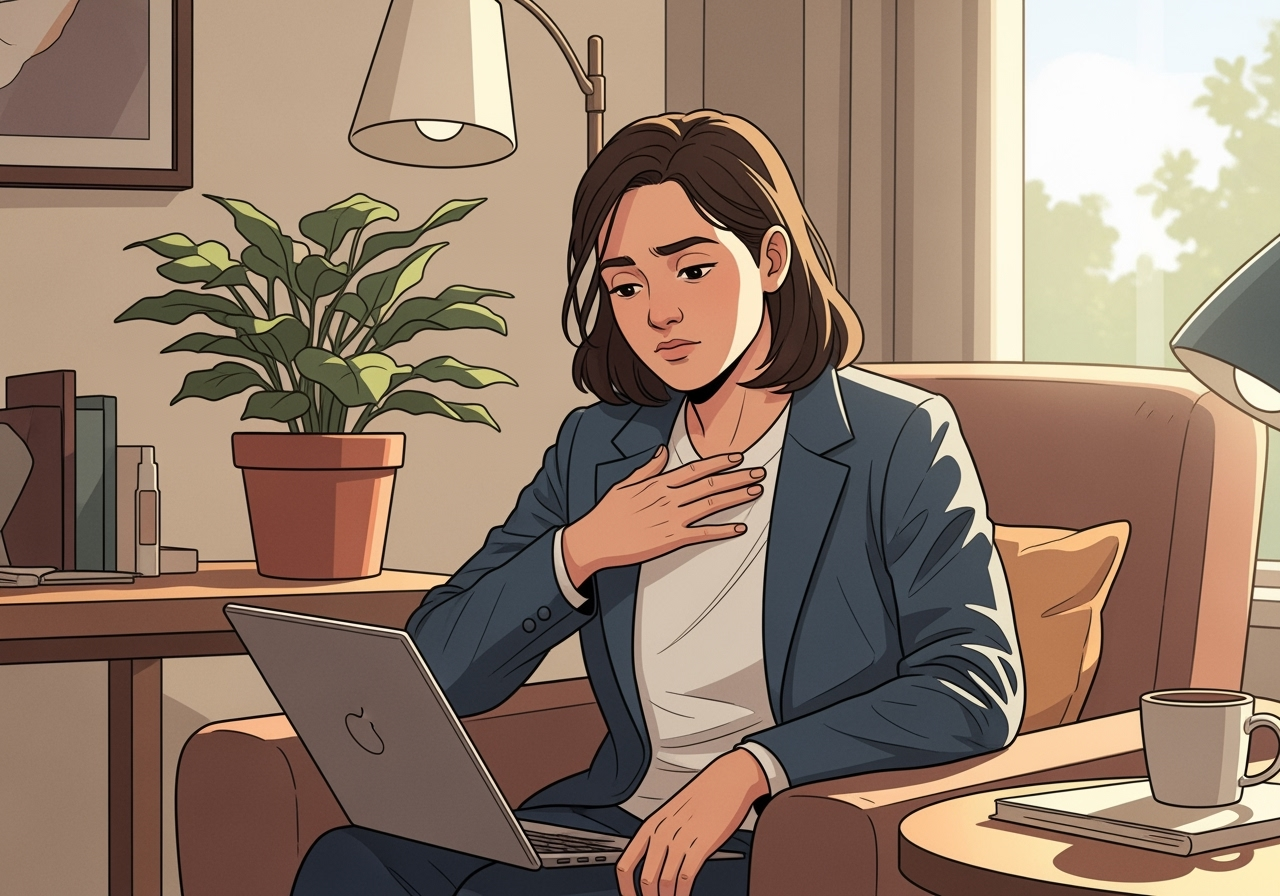
Discover what's really causing your work stress and learn to distinguish between normal work pressure and harmful chronic stress. This foundational lesson helps you identify your personal stress triggers and understand how they're affecting your daily life.
What You'll Learn
The difference between healthy work pressure and harmful stress
The 5 main categories of workplace stress triggers
How to identify your personal stress signature
Physical and emotional signs that stress is affecting you
Why awareness is the first step to managing workplace stress
What to Expect
You'll work through a self-guided learning experience with written content, interactive exercises, and downloadable resources. This lesson includes practical assessments to help you understand your unique stress patterns and current coping strategies.
Today's Resources:
Step-by-Step Instructions
-
Your Task: Read through this section carefully and think about your own work experiences as you go.
Normal Work Pressure vs. Harmful Stress
Normal Work Pressure feels like:
A challenge that motivates you to do your best
Temporary stress that goes away once the task is done
Feeling energised (even if tired) after completing something difficult
Sleeping well despite having a busy day
Still enjoying parts of your work
Harmful Stress feels like:
Constant worry that doesn't go away, even at home
Dreading work or feeling sick thinking about Monday
Physical symptoms like headaches, stomach problems, or trouble sleeping
Snapping at family or friends because you're always on edge
Feeling like you can never switch off from work thoughts
Right now, pause and ask yourself: "Which description sounds more like my current work experience?"
Physical Warning Signs to Watch For:
Waking up with tension in your neck, shoulders, or jaw
Getting frequent headaches, especially on Sunday evenings or Monday mornings
Stomach issues, changes in appetite, or digestive problems
Catching colds more often or feeling run down
Trouble falling asleep because your mind won't stop racing about work
Action: Take a moment to notice your body right now. Are you holding tension anywhere? This awareness is your first step to change.
-
Your Task: Read each category below and rate how much it affects you on a scale of 1-5 (1 = not stressful, 5 = major stress source). Be honest, this is just for you.
1. Workload Stress (Rate 1-5: ___)
What it looks like: Your to-do list never gets shorter, deadlines feel impossible, you're constantly putting out fires instead of doing planned work
Common thoughts: "There's not enough time," "I'll never catch up," "Everyone wants everything yesterday"
Physical signs: Working through lunch, staying late regularly, checking emails at home
Ask yourself: Do you feel like you're drowning in tasks most days?
2. Relationship Stress (Rate 1-5: ___)
What it looks like: Difficult conversations with your boss, colleagues who don't pull their weight, feeling unsupported by your team
Common thoughts: "They don't understand," "I can't say what I really think," "I'm walking on eggshells"
Physical signs: Tension before certain meetings, avoiding the staff room, dreading team interactions
Ask yourself: Do you feel comfortable and supported by the people you work with?
3. Environmental Stress (Rate 1-5: ___)
What it looks like: Open office noise, constant interruptions, uncomfortable workspace, poor lighting or temperature
Common thoughts: "I can't concentrate," "There's nowhere quiet to think," "This place is chaos"
Physical signs: Headaches from noise/lighting, physical discomfort, feeling scattered
Ask yourself: Does your physical work environment help or hinder your ability to do good work?
4. Uncertainty Stress (Rate 1-5: ___)
What it looks like: Worry about job security, unclear expectations from your manager, constant company changes
Common thoughts: "What if I lose my job?" "I don't know what's expected of me," "Everything keeps changing"
Physical signs: Overthinking, checking job sites, worst-case scenario planning
Ask yourself: Do you feel secure and clear about your role and future at work?
5. Control Stress (Rate 1-5: ___)
What it looks like: Micromanagement, no say in decisions that affect you, rigid rules that don't make sense
Common thoughts: "I have no control," "They don't trust me," "I could do this better if they'd let me"
Physical signs: Frustration, feeling demotivated, going through the motions
Ask yourself: Do you feel trusted and empowered to do your job well?
Action: Write down your scores and circle your highest-rated category. This is your primary stress source.
-
Your Task: Answer these questions honestly. Write your answers down; this creates accountability and helps you track progress.
Part A: Your Top Triggers
Which category scored highest? ________________
What are your 3 most stressful work situations?
Situation 1: ________________
Situation 2: ________________
Situation 3: ________________
Part B: When Stress Hits Hardest
3. What time of day do you feel most work stress?
Sunday evening (thinking about Monday)
Monday morning
Mid-week when workload peaks
Friday afternoon (trying to finish everything)
Other: ________________
4.How does stress show up in your body? (Tick all that apply)
Tight shoulders/neck
Headaches
Stomach issues
Sleep problems
Fatigue
Other: ________________
Part C: Your Stress Level Right Now
5. On a scale of 1-10, how stressed do you feel about work today? ____ (1 = completely calm, 10 = overwhelmed and anxious)
-
Your Task: Be brutally honest about what you actually do when work stress hits (not what you think you should do).
What do you currently do when feeling work stress? (Tick all that apply)
Take deep breaths or try to calm down
Go for a walk or get some fresh air
Talk to a friend, family member, or colleague
Have a cup of tea/coffee and take a break
Check social media or browse the internet
Work harder and longer to try to catch up
Avoid the stressful situation or procrastinate
Complain to others about work
Have a drink or eat comfort food
Other: ________________
Now rate each method you ticked:
Helpful (makes me feel better and more capable): ________________
Neutral (doesn't help or harm): ________________
Unhelpful (makes me feel worse or creates more problems): ________________
Key insight: Notice which strategies actually help vs. which ones just distract you or make things worse in the long run.
Today's Reflection Questions
Which of the 5 stress categories affects you most, and why do you think that is?
Looking at your top 3 stress triggers, what do they have in common?
When you notice stress building up in your body, what's the very first sign you feel?
Which of your current coping strategies actually makes you feel more capable of handling work challenges?
If you could change just one thing about your work situation to reduce stress, what would it be?
Today's Win
Congratulations! You've just done something most people never do: you've honestly looked at what's causing your work stress and how you're currently handling it. This level of self-awareness puts you miles ahead of people who just accept stress as "part of the job." You now have a clear picture of your stress patterns, which is the foundation for everything we'll build together this week.
Next Lesson’s Preview
Day 2: The Power of Morning Routines for Stress Prevention
Tomorrow, you'll discover why your morning routine is your secret weapon against work stress. You'll learn the 4 essential elements that transform chaotic mornings into calm, confident starts, and create your personalised 15-minute routine that prevents stress before your workday even begins. No more rushing out the door feeling frazzled!
Duration: 15 Minutes
Difficulty: Beginner